Heathwall Pumping Station
Why is it significant?
The Heathwall Pumping Station on Nine Elms Lane in London forms a key part of the 25-kilometre Thames Tideway Super Sewer project, housing a 54-metre-deep shaft that prevents storm sewage from polluting the river. Originally built over an enclosed stream by Sir Joseph Bazalgette in the 1860s, the site previously spilled 800,000 tonnes of waste annually. Today, its rooftop plaza extends the Thames Path between Vauxhall and Battersea Power Station.
Key Facts
| Place | Heathwall Pumping Station |
|---|---|
| Address | Nine Elms Lane, London SW8 5BP |
| Geo Coordinates | 51.48271, -0.13584 |
| Audio Duration | ~2 min |
| Part of Walk | Vauxhall to Battersea: Riverside Modern Marvels |
| Generated | Generated |
What to look for?
- In the 1860s, engineer Sir Joseph Bazalgette enclosed the River Heathwall into brick culverts to create London's Victorian sewer network.
- Before recent upgrades, the Heathwall Pumping Station discharged over 800,000 tonnes of untreated storm sewage into the Thames annually.
- Civil engineers constructed a 54-metre-deep vertical shaft at the Heathwall Pumping Station site for the Thames Tideway Super Sewer project.
- The public plaza at Heathwall Quay features a sewer-pipe artwork created by artist Isamu Noguchi.
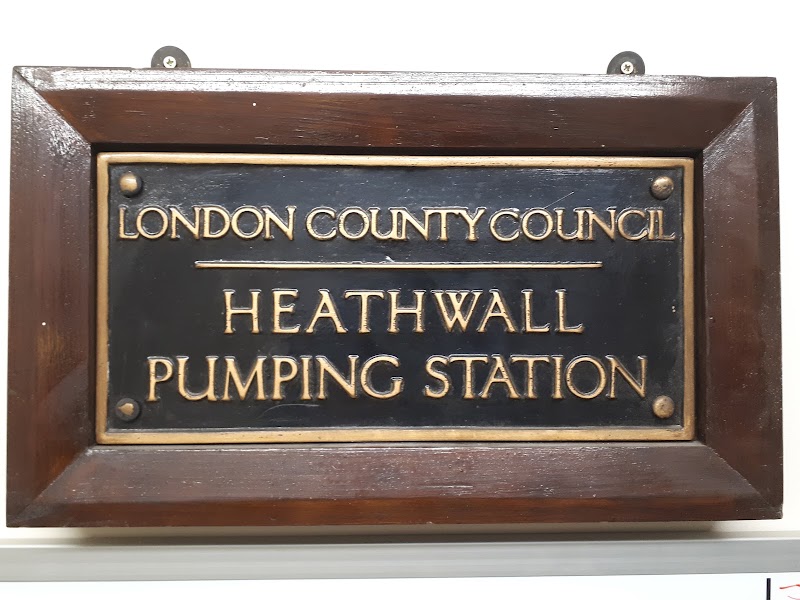
Photo: Google
What role does the Heathwall Pumping Station play in London's Thames Tideway Super Sewer project?
You are standing beside Nine Elms Lane at the site of the Heathwall Pumping Station. Long before concrete embankments lined this shore, an ancient tributary stream called the River Heathwall emptied into the Thames near this spot. During the seventeenth century, local market gardeners harvested organic urban waste, known back then as night soil, to fertilize heated soil beds for growing vegetables right here along the riverbank. How did a quiet market garden become a critical node in London’s subterranean defense system? In the eighteen sixties, following the infamous Great Stink of eighteen fifty-eight, chief engineer Sir Joseph Bazalgette designed London’s legendary Victorian sewer network. He enclosed streams like the Heathwall into underground brick culverts and constructed pumping stations to lift low-lying sewage away from central London. Bazalgette’s brilliant system saved thousands of lives from cholera, but it was built for a city of just three million people. By the early twenty-first century, London’s population had tripled, and heavy rainfall routinely overwhelmed the Victorian brick pipes. Right here at Heathwall Pumping Station, over eight hundred thousand tonnes of untreated storm sewage poured directly into the Thames in a typical year. To stop this environmental crisis, civil engineers embarked on the Thames Tideway Super Sewer project, constructing a twenty-five kilometre tunnel running deep beneath the riverbed. At this very site, workers sank two massive vertical shafts, one plunging fifty-four metres into the earth, to intercept the waste before it reached the river. What looks like a calm riverside plaza at Heathwall Quay is actually the roof of a giant subterranean junction. This new public land finally closed a long-standing gap in the Thames Path, allowing pedestrians to walk uninterrupted between Vauxhall and Battersea Power Station. Notice the public artwork on the plaza by artist Isamu Noguchi, crafted from actual sewer pipes as a clever nod to the hidden world below your feet.