New Covent Garden Market Entrance
Why is it significant?
New Covent Garden Market on Nine Elms Lane in London is the city's premier wholesale food and flower market, supplying forty percent of fresh produce eaten outside the home across London. Originating from a 1670 royal charter granted by King Charles II in central London, the market relocated south of the Thames to a 57-acre former railway yard in November 1974.
Key Facts
| Place | New Covent Garden Market Entrance |
|---|---|
| Address | Nine Elms Lane, London SW8 5NX |
| Geo Coordinates | 51.48332, -0.13223 |
| Audio Duration | ~2 min |
| Part of Walk | Vauxhall to Battersea: Riverside Modern Marvels |
| Generated | Generated |
What to look for?
- King Charles II granted a formal royal charter for London's original Covent Garden market in 1670.
- In November 1974, New Covent Garden Market relocated to a 57-acre former railway yard in Nine Elms.
- Queen Elizabeth II officially inaugurated the New Covent Garden Market site in London in 1975.
- Three-quarters of all London florists purchase their fresh flowers at New Covent Garden Market every week.
- Nearly 200 independent wholesale companies operate at London's New Covent Garden Market today.
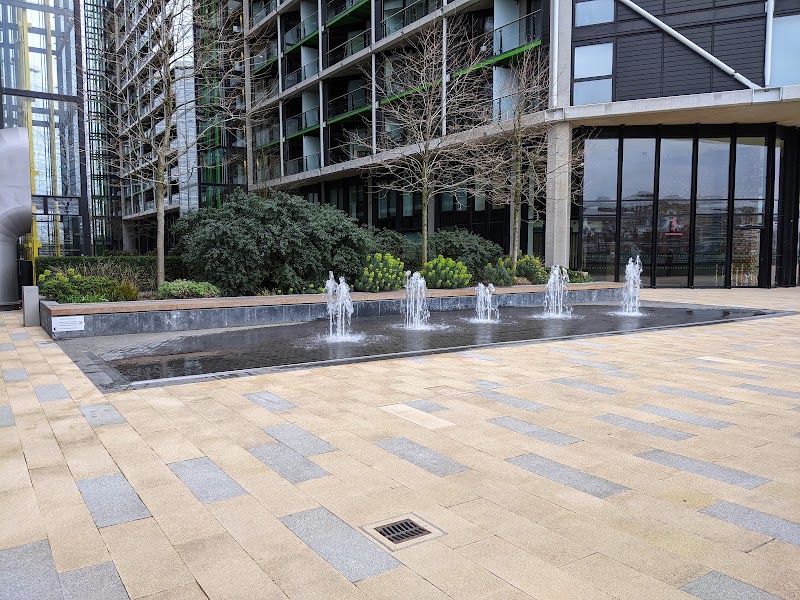
Photo: Google
When did London's Covent Garden market relocate to its Nine Elms site?
As you stand here along Nine Elms Lane, you are looking at the beating, sleepless heart of London's food world. Most visitors know Covent Garden as that charming West End piazza filled with street performers, boutique shops, and cafes. But in November nineteen seventy-four, London's actual historic wholesale market packed up centuries of tradition and moved south of the River Thames to this former railway yard. Have you ever wondered how London's finest restaurants get their fresh ingredients before sunrise? Every night, while the rest of the city sleeps, this place explodes into action. From midnight until the early morning hours, hundreds of lorries roll in laden with exotic fruits, crisp vegetables, and rare herbs. By four in the morning, the flower market comes alive in a riot of colour and fragrance. In fact, forty percent of all the fresh fruit and vegetables eaten outside the home in London, from Michelin-starred dining rooms like Claridge's to local school canteens, passes right through these gates. Three-quarters of all florists in London buy their blooms here every single week! The history of this market actually stretches back to the Middle Ages, when monks from Westminster Abbey sold surplus produce from their convent garden. King Charles the Second granted a formal royal charter for the market in sixteen seventy. For three hundred years, traders shouted, bartered, and hauled crates through the narrow, cobbled alleys near The Strand. But by the middle of the twentieth century, modern delivery trucks simply could not squeeze through central London's tight streets. So, the market crossed the river, taking over fifty-seven acres of what had been the Nine Elms railway locomotive depot. Queen Elizabeth the Second officially inaugurated the site in nineteen seventy-five. Today, nearly two hundred independent wholesale companies operate here, handling hundreds of millions of pounds worth of produce every year. If you walk past here in the dead of night, you can still hear the roar of forklift engines, the clatter of wooden crates, and the boisterous banter of traders carrying on a tradition centuries old. It is a silent powerhouse operating behind the scenes, ensuring that when the sun comes up, London is fed and blooming.