Damião: Roots of the Curimataú
From ancient rock art to sertão streets — the surprising depth of a small Paraíba town
Damião, Paraíba · 3 stops · 8.5 km · ~2.3 h · Generated
-
1. Chácara Luz do Luar
Damião, Paraíba
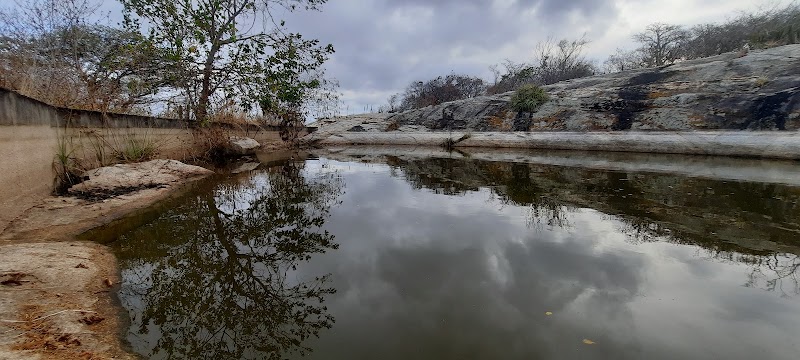
Welcome to Chácara Luz do Luar... Moonlight Farm. Take a deep breath of this dry, warm air, and look around you. You are standing in the municipality of Damião, in the paraÍba state of northeastern Brasil, in the heart of the Curimataú Ocidental microregion. And the name of this property... Luz do Luar... Moonlight... is no accident. Out here, far from city lights, the night sky is something Extraordinary. When the sun sets over the Caatinga, the moon rises so bright it casts shadows on the red earth. That moonlight has guided vaqueiros, farmers, and travelers across this landscape for centuries.
But let me tell you the deeper story of this land beneath your feet.
Long before any farm stood here... long before any Portuguese colonist set foot in this region... this territory was inhabited by indigenous peoples who left painted and engraved testimonies on the rocks at places called Poço Doce and Craibeirinha, along the banks of the Rio Curimataú and the creek known as Riacho do Porco Magro. Those marks are still there today, silent witnesses carved into stone.
Until the end of the seventeenth century, the Curimataú was home to indigenous tribes belonging to the great tarairiÚ nation, true Tapuias of the Northeast, who resisted Portuguese conquest from the very beginning. Among those tribes in this part of the Curimataú were the Janduís, the Canindés, and the Sucurús.
Then came the land grants. The first sesmaria requested in this region dates back to December seventeen oh four, when the Conde d'Alvor claimed a plot of land called Olho D'Água do Cuité. At the same time, three other land grants were requested in the surrounding area. That was the beginning of cattle ranching and farming across these hills.
But here's the part I love most. According to old residents, the very Name of this town comes from two brothers... Cosme and Damião... who around eighteen sixty acquired large stretches of land on a ridge of the Planalto da Borborema, which over the years became known as Serra do Damião. On weekends and holidays, people would travel to Damião's homestead for supplies, and when they met someone on the road, they'd ask, "Where are you coming from?" And the answer was always the same... "I'm coming from Damião's place." And so the name stuck!
Damião only became its own municipality in nineteen ninety-four, when Governor Cícero Lucena Filho signed the state law on April twenty-ninth. That makes it one of the Youngest towns in all of paraÍba.
The rural zone around Damião is full of fascinating old stories. Ancient houses of pau-a-pique, some built by a priest long ago, now stand abandoned, and locals say they are haunted... strange lights, shadows, and noises... even the cattle refuse to go near them!
So as you stand here at Chácara Luz do Luar, remember... this moonlight has illuminated a land of indigenous rock painters, of brave Tapuia warriors, of two brothers whose hospitality named an entire town. The Caatinga around you, with its thorny, resilient vegetation, endures under a hot climate with average rainfall of just seven hundred and fifty millimeters a year. And yet... life thrives. Just like this farm. Just like this place called Moonlight.
-
2. Praça Central de Damião
Praça Central, Damião, Paraíba
-
3. Sertão Sunset Panorama
Serra do Damião, Paraíba