The Prince of Wales
Why is it significant?
The Prince of Wales is an Edwardian pub in London's Cleaver Square where patrons can borrow steel boules to play petanque on the square's central gravel courtyard. Situated on the northwest corner of the first residential garden square built south of the River Thames in 1789, a tavern has stood on the site since 1839. The pub's current red-brick facade dates to 1901.
Key Facts
| Place | The Prince of Wales |
|---|---|
| Address | 48 Cleaver Square, London SE11 4EA |
| Geo Coordinates | 51.48823, -0.10908 |
| Audio Duration | ~3 min |
| Part of Walk | Elephant & Castle to Kennington: Stories Along Stane Street |
| Generated | Generated |
What to look for?
- Cleaver Square was laid out in 1789 as the first residential garden square south of the River Thames.
- Mary Cleaver inherited the original meadow in 1743 before Thomas Ellis developed the site.
- A tavern has stood on the northwest corner of Cleaver Square since at least 1839.
- The current red-brick Edwardian facade of The Prince of Wales pub was constructed in 1901.
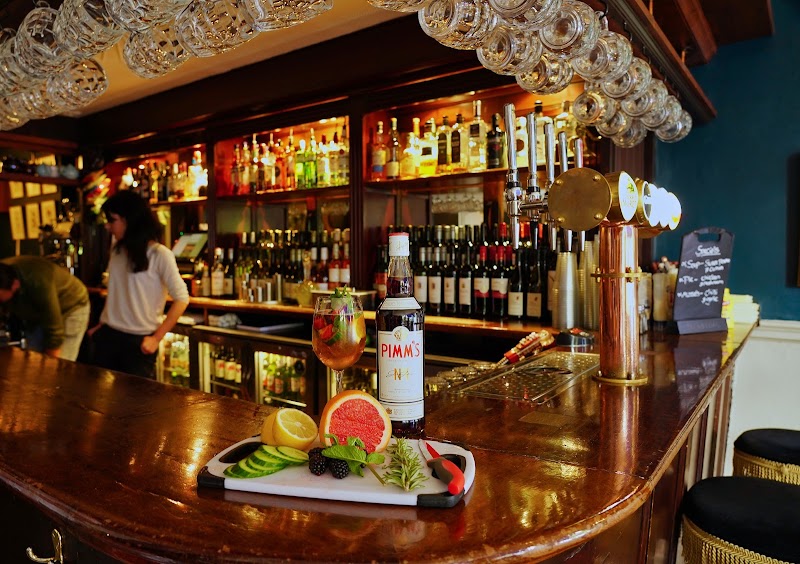
Photo: Google
What activity can patrons try outside The Prince of Wales pub in Cleaver Square?
Step off the bustling thoroughfares of Kennington and take a moment to look around. You have stepped into Cleaver Square, a hidden pocket of South London that feels entirely removed from the roar of modern city life. With its tranquil gravel courtyard, soaring plane trees, and elegant Georgian brick houses, this peaceful oasis carries a history as rich as it is unexpected. Laid out in seventeen eighty-nine, Cleaver Square holds the distinction of being the very first residential garden square ever built south of the River Thames. Before these graceful three-story terraces were constructed, the land was a broad, grassy pasture known as White Bear Field, where local cows grazed in peace. A woman named Mary Cleaver inherited the meadow in seventeen forty-three. Decades later, she leased the plot to Thomas Ellis, the enterprising landlord of the nearby Horns Tavern on Kennington Common. Ellis developed the square and called it Princes Square, partly in honor of royal connections dating back to the fourteenth century, when Edward the Black Prince held a palace nearby. It was not until nineteen thirty-seven that the area was renamed Cleaver Square, belatedly giving Mary the recognition she deserved. Anchoring the northwest corner of this picturesque setting is The Prince of Wales pub. A tavern has stood on this spot since at least eighteen thirty-nine, serving local tradesmen and residents. The handsome red-brick facade you see today was built in nineteen hundred and one, giving the corner its distinctive Edwardian warmth. Over the years, it became a favorite spot for local residents, art students, and politicians taking a quiet break from Parliament. Step inside, and you will find cozy timber paneling, quirky oil paintings, and an atmosphere that feels more like a country village inn than a city drinking hole. Did you know that you can walk up to the bar inside, leave a small deposit, and borrow a shiny set of steel boules? On warm afternoons and summer evenings, the gravel center of the square transforms into London's most famous outdoor arena for petanque. Drinkers step out under the dappled shade of the plane trees, beer glass in one hand and heavy metal ball in the other, competing in lively games while neighbors watch from surrounding benches. It is a wonderfully eccentric scene where French Provençal tradition fuses seamlessly with classic British pub life, preserving a little piece of eighteenth-century tranquility right in the heart of London.